Biography / Cesare Catania
The Biography of Cesare Catania
Born in Milan on 1 February 1979, Cesare Catania has developed an interdisciplinary practice shaped by figurative arts, music, mathematics, engineering and photography.
Cesare Catania's biography begins with his birth in Milan on 1 February 1979. He spent most of his life in his hometown, where he developed, both privately and throughout his studies, a strong aptitude for graphic and pictorial arts.
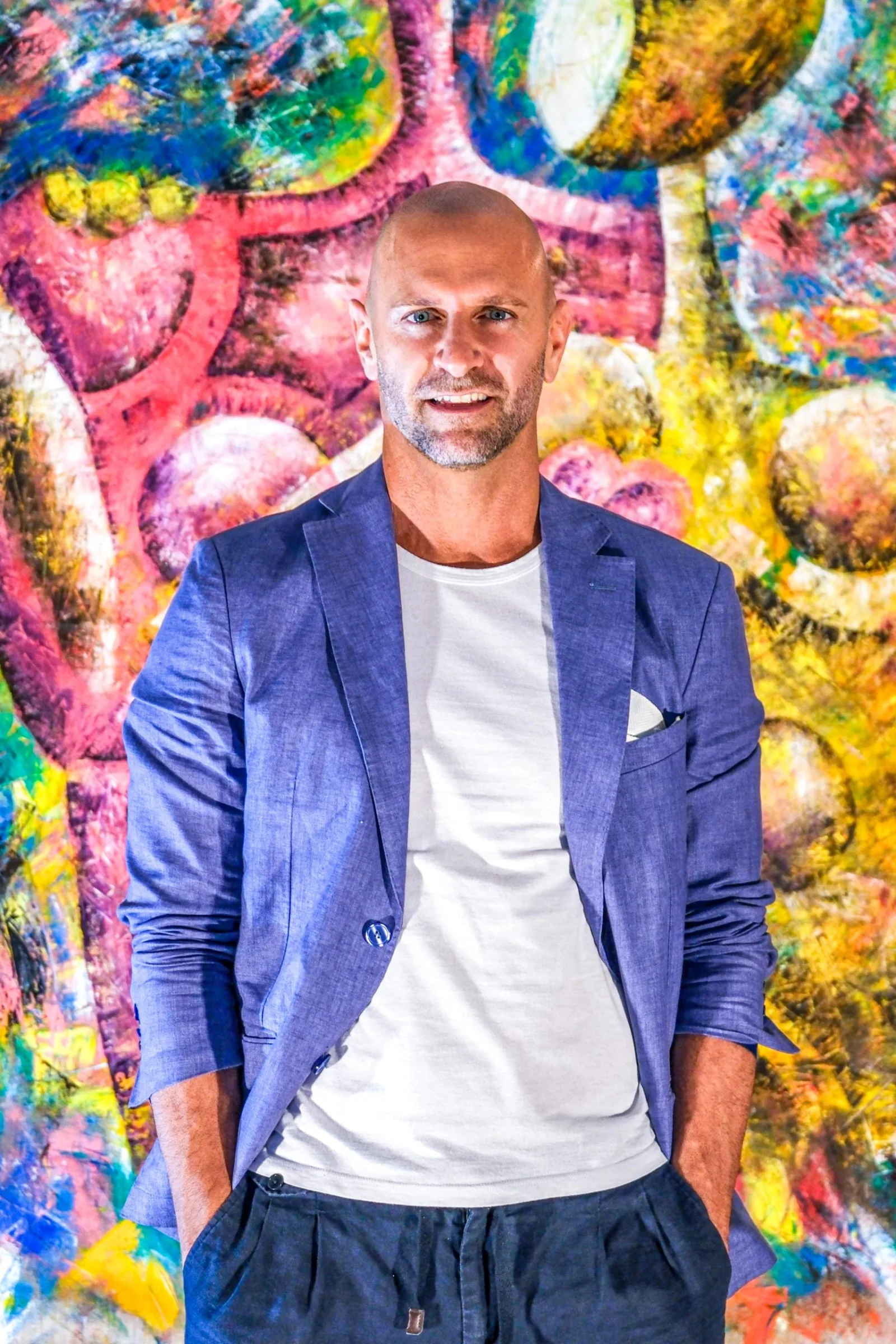
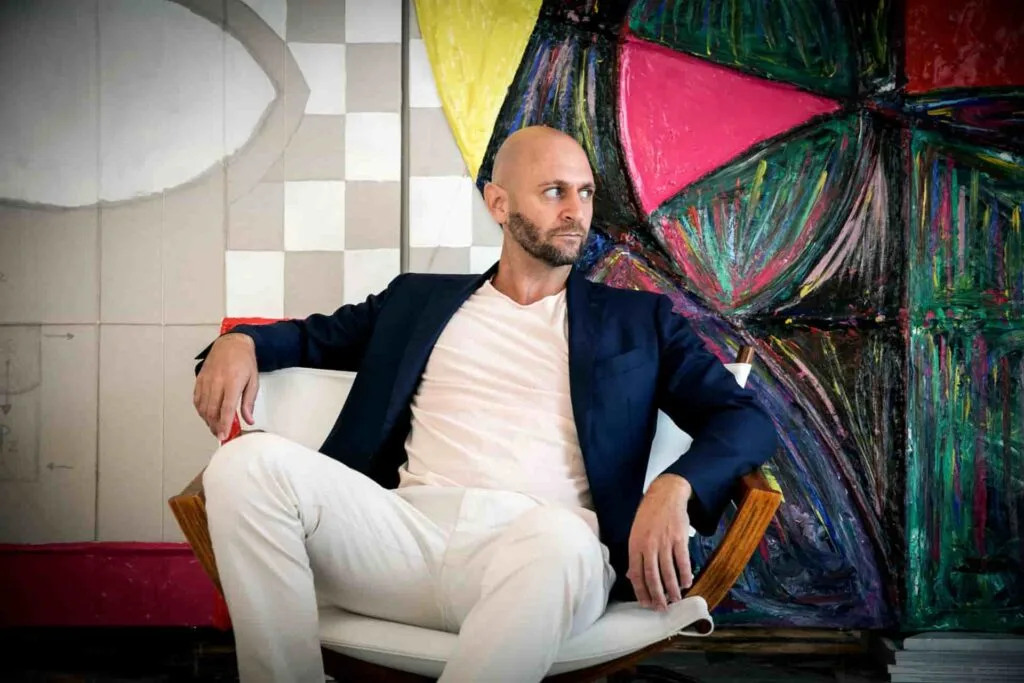
Studio, public presence and sculptural experimentation
A concise editorial selection built with the biography media already imported in the project.
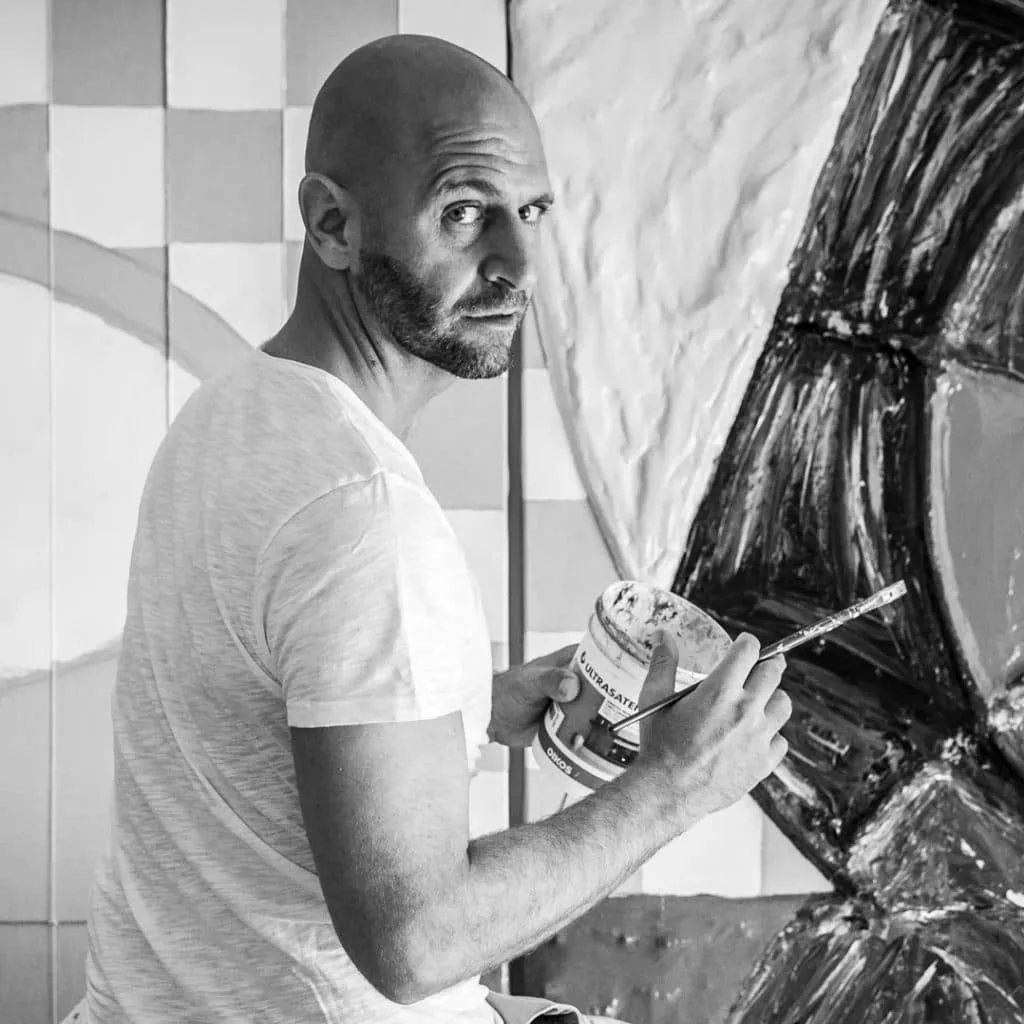
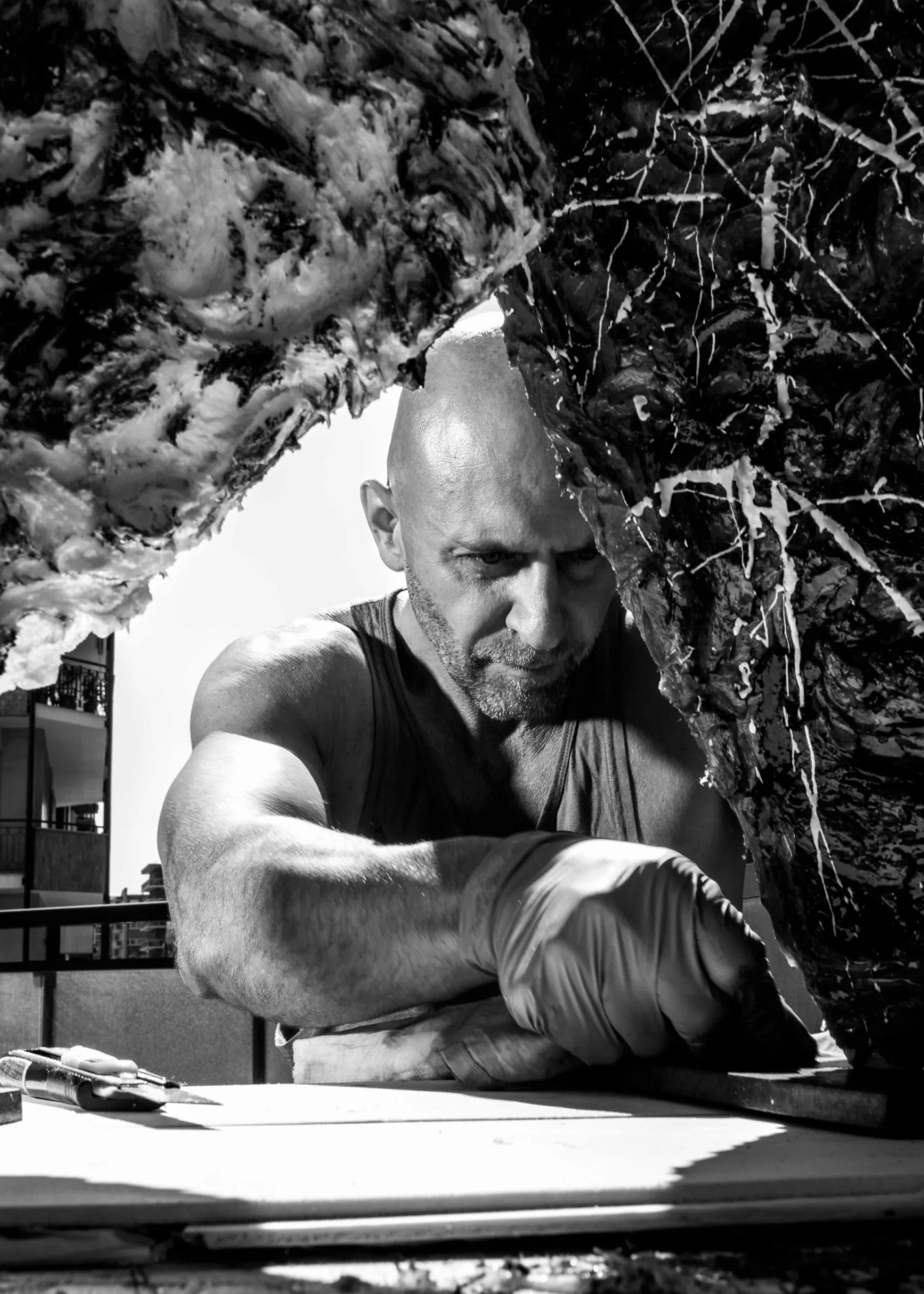
Movement, studio and public presence
Local media reused from the imported archive.
Childhood
His violinist grandfather passed on to him a passion for musical instruments and, at the age of nine, Cesare Catania began taking piano lessons. Over the following ten years he developed a strong sensitivity to the rigor and creativity of classical music.
The Absence of Prejudice
During his artistic and cultural formation, mathematics and music helped shape a double tension: on one side structure and rigor, on the other a multi-perspective vision of reality. This absence of prejudice led him to approach every discipline from different levels and points of view.
The same openness appears in works that can be highly realistic and detailed, such as “Metaphysical Composition”, “Artistic Composition” and “The Dynamics of Movement” from 2016, as well as abstract and symbolic, such as “Vanity” from 2014, “Flamingos in the Mirror” from 2015 and “The Tear” from 2012. His first noteworthy paintings date back to 1995, when he expressed his creativity during school drawing lessons.
Engineering and Geometry
In 1998 he enrolled in the faculty of engineering, where he refined his studies in perspective and axonometry and learned to observe problems and reality by breaking forms down into simple three-dimensional polygons.
This ability to decompose and model solids can be seen in paintings that express both reality and emotion through overlapping two-dimensional planes, as in “144: Jazz Trio” from 2014 and “Nice (A Tribute to Matisse and Chagall)” from 2015, or through the elegant juxtaposition of solid and curvilinear figures, as in “Summer Readings (Tribute to Pierluigi Nervi)” from 2016.
Art, Science and Photography
Alongside his aptitude for both technical and artistic disciplines, Cesare Catania developed a particular passion for photography. He was drawn to colour and to the camera's ability to capture the energy and dynamism of a moving scene in a single image.
The same attraction to movement emerges in many of his paintings, whether formal, informal or abstract. In “The Violinist from Barcelona - B Version” from 2016, for example, the protagonist appears almost suspended in a powerful still frame, while mathematics and engineering merge with art to produce works that reconcile painting and sculpture, tradition and innovation.
Love for Matter
Cesare Catania often prepares his canvases through actual structural studies and projects, allowing fragile and complex materials such as plaster to adhere to the surface in a durable way. In many works the material is reinforced with nails and nets that follow the drawing, highlighting the artist's ability to combine creativity with rational construction.
In “Lisbon Zoo”, for example, the elephant, giraffe and bull are staged on overlapping planes, shaped in plaster and painted with bold acrylic colours. The result is a body of work conceived as a still image of actions and feelings, an extreme synthesis of hermeticism, three-dimensionality and attention to detail. Fascinated by modern art, architecture, cubism and the masters of the classical age, Cesare Catania continues to seek new techniques to express his inspirations.
An Interdisciplinary Artistic Practice
The original biography page presents a practice that unfolds across multiple languages and media:
-
01
paintings and contemporary pictorial works;
-
02
3D paintings and sculptural canvases;
-
03
sculptures and tapestries;
-
04
sketches and ingenuity works between art, engineering and architecture;
-
05
digital art, NFTs and artistic short films.